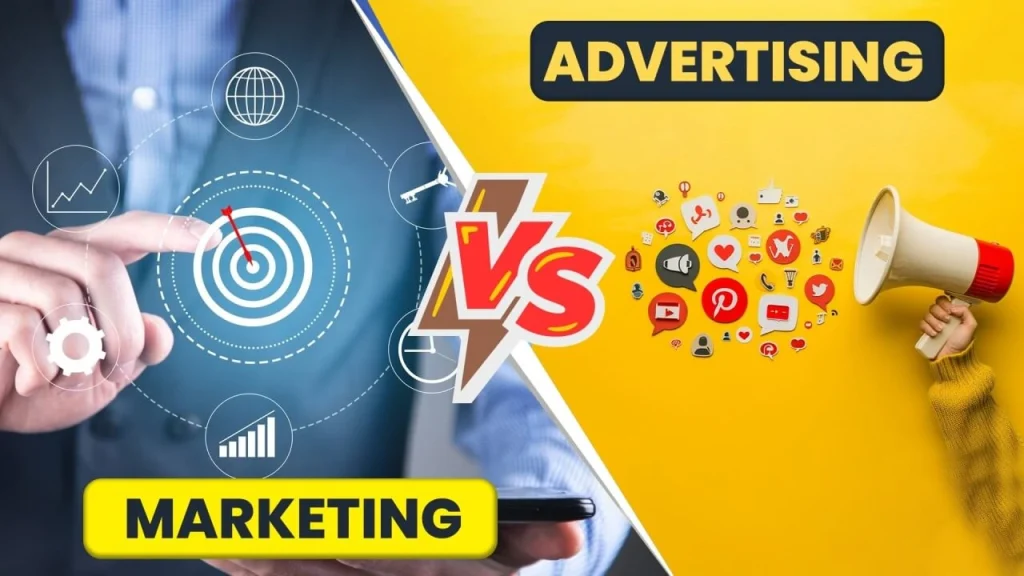
What is the difference between marketing and advertising? Though often used interchangeably, marketing and advertising serve distinct purposes in building a brand. Marketing encompasses a broader set of strategies aimed at creating long-term value and relationships, while advertising is a focused effort to boost short-term visibility and sales. This article explores the key distinctions between these two pillars of business strategy.
Content
What is Marketing?
Marketing is the broader process of promoting and selling products or services. It goes far beyond mere advertising by including market research, consumer behavior analysis, branding, and customer relationship management. Marketing involves a comprehensive strategy to create and nurture relationships with your target audience over the long run.
Key Components of Marketing
Marketing strategies involve various tactics such as search engine optimization (SEO), email campaigns, content creation, and customer retention efforts. Whether you’re launching a new product or growing an established brand, marketing in business lays the foundation for long-term success.
The aim of marketing is to understand customer needs and create value that resonates with them. By building a relationship with the audience, marketers strive to keep customers engaged with the brand, creating loyalty and trust over time.
What is Advertising?
While marketing covers all aspects of connecting with customers, advertising is a specific subset of marketing focused on creating short-term promotions that capture the attention of potential buyers. In essence, advertising is a paid method of communication aimed at influencing customer actions.
Forms of Advertising
Advertising can take many forms, including digital advertising, TV commercials, print ads, social media promotions, and even billboards. It often involves creating compelling messages that urge consumers to act immediately — whether it’s to make a purchase, sign up for an offer, or engage with a brand on social media.
In comparison to marketing, advertising is more targeted and transactional in nature. Its purpose is to generate quick responses by driving consumer attention to specific messages, typically related to limited-time offers or promotions.
Marketing vs Advertising: A Strategic Comparison
Though they work together to enhance brand visibility, marketing and advertising are fundamentally different in scope, purpose, and execution. Here’s a breakdown:
Aspect
Marketing
Advertising
Scope
Broader and strategic
Narrower, focused on promotional campaigns
Goal
Build brand identity, customer relationships, and loyalty
Drive short-term sales and immediate customer actions
Strategy
Long-term focus on brand positioning and customer engagement
Short-term focus on product promotion and visibility
Cost
Can involve substantial investment in market research, branding, and strategy
Often requires a higher immediate budget for paid placements
Examples
Content marketing, SEO, email campaigns
TV commercials, online ads, social media advertisements
By comparing marketing vs advertising through the lens of these factors, we can see that both require unique approaches to achieve business success. Advertising often serves as a powerful tool within a larger marketing strategy.
Real-World Examples of Marketing and Advertising in Action
Understanding the difference between marketing and advertising becomes clearer when looking at real-world examples. Here are two scenarios that showcase how each plays a role in a successful campaign.
Example 1: Marketing Strategy
Imagine a company launching a new smartphone. Their marketing strategy would start with market research, identifying customer needs, creating a brand identity, and establishing a customer relationship strategy. They might build a website, craft email campaigns, and develop educational content for their audience. All these activities aim to build a strong foundation for the brand over time.
Example 2: Advertising Campaign
Once the product is ready for market, the company could turn to advertising to create immediate awareness and drive sales. They could run online ads, place TV commercials, and target social media platforms with paid promotions. The goal here is to get people to purchase the phone quickly, using urgency and calls to action in the advertising.
In this scenario, advertising works as a supporting tool within the larger marketing strategy.
Marketing vs Advertising vs PR: What’s the Difference?
Many businesses also incorporate public relations (PR) into their overall strategy. While marketing and advertising focus on driving consumer action, PR is primarily concerned with shaping the public perception of a company, handling crises, and managing relationships with the media.
The Role of PR
For instance, if a company faces a public relations issue, they will rely on their PR team to manage communication with the media and craft a narrative that minimizes negative impact. PR focuses on maintaining the company’s reputation, while marketing drives customer engagement, and advertising generates sales.
This distinction between marketing vs advertising vs PR highlights how each discipline contributes to the broader business strategy.
How to Choose: Marketing vs Advertising for Your Business
As a business owner, deciding where to allocate resources between marketing and advertising depends on your goals. Here are some guidelines:
When to Focus on Marketing
If you’re a small business just starting out or looking to scale, focus on marketing strategies that build a foundation. This includes creating a strong brand, engaging with customers through content, and nurturing relationships through email and social media. Marketing in business is crucial for establishing credibility and trust over time.
When to Prioritize Advertising
If you’re launching a new product or campaign, advertising can help you reach a larger audience quickly. It’s particularly effective when you need immediate action — such as driving sales or getting people to attend an event. Advertising is a great way to draw attention to specific promotions, limited-time offers, or seasonal sales.
Combining advertising with a strong marketing foundation ensures that your brand not only attracts attention but also builds long-term loyalty.
Marketing vs Branding: Key Differences You Should Know
Although marketing and branding are often mentioned together, they are not the same thing. Branding refers to how your company presents itself to the world, including your company’s mission, values, voice, and visual identity. Marketing, on the other hand, is the set of activities you use to promote your brand.
How Branding Supports Marketing
Without a solid brand identity, marketing efforts may lack clarity or direction. Your brand represents your company’s promise to customers, while marketing ensures that promise reaches the right audience. Branding is a long-term investment, while marketing can be adjusted frequently to adapt to customer feedback.
By aligning marketing vs branding, businesses can create a more cohesive strategy that engages customers on a deeper level.
Conclusion
In conclusion, understanding the difference between marketing and advertising is crucial for any business looking to build long-term success. While marketing involves a comprehensive strategy aimed at developing relationships and fostering customer loyalty, advertising is focused on short-term goals such as driving immediate sales and awareness.
A successful business integrates both disciplines, with advertising playing a critical role in executing marketing strategies. By balancing marketing and advertising, businesses can create an effective, results-driven approach that ensures sustainable growth and customer retention.
FAQs
What is the primary difference between marketing and advertising?
Marketing is a broad strategy aimed at building long-term customer relationships and brand loyalty. Advertising, on the other hand, focuses on short-term promotional efforts to drive immediate sales or awareness.
How do marketing and advertising work together?
While marketing lays the foundation by creating brand identity and customer engagement, advertising helps generate short-term results by attracting attention and boosting sales quickly.
Clyde is a highly creative and dedicated person with an entrepreneurial spirit. He is always looking for ways to help people, whether it be contributing to their success or just making them laugh. His commitment is demonstrated through the dedication he has put into all of his work so far, which includes writing business blogs for various companies as well as running his own blog on Medium. He loves reading books about how other people became successful entrepreneurs like himself; he finds inspiration from these stories and hopes to make a positive impact on others’ lives too!